Key takeaways
- Inspection records are most useful when they can be compared, understood and acted upon.
- Good reports link each observation to an identifiable location and state limitations such as restricted access or poor visibility.
- Reports should separate observations from engineering conclusions and identify any further assessment required.
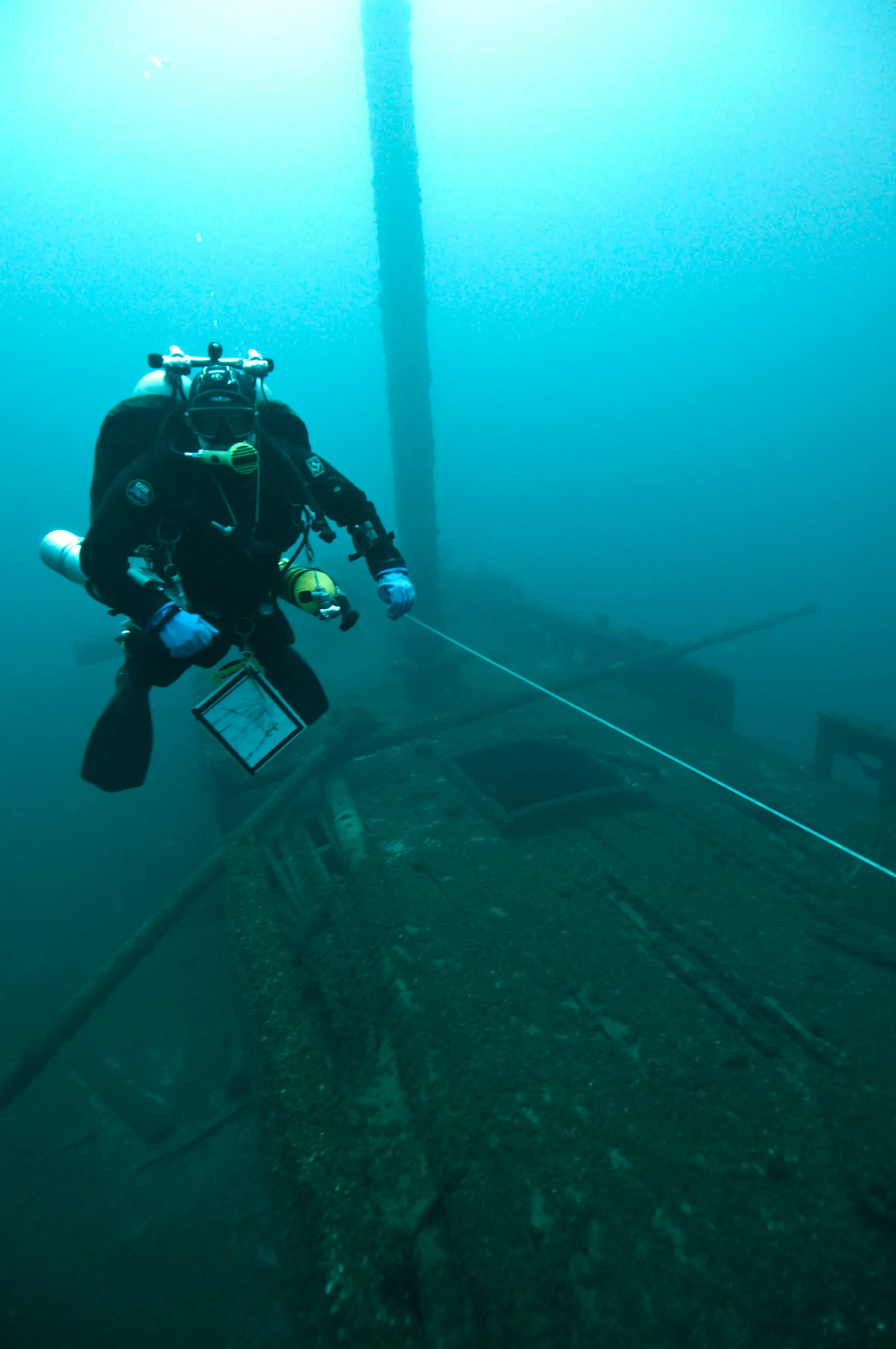
Inspection records are most useful when they can be compared, understood and acted upon. A collection of underwater photographs may show individual conditions, but the client also needs to know where those conditions were found, how they relate to previous observations and which findings require further attention.
Hives Global Services Limited (HGSL) offers asset integrity support alongside pipeline inspection support, underwater structural inspection, photography and technical reporting. These services help connect field observations with the information clients use to plan maintenance and specialist assessment. Our emphasis is on producing an organized record of the agreed inspection scope and its results.
Structuring inspection reports
A practical reporting structure links each observation to an identifiable asset or location. It records the inspection date, work completed and relevant limitations, such as restricted access or poor visibility. Photographs should have clear descriptions so that reviewers can understand what they show. Where earlier records are available, consistent location references make comparison more useful.
Observation versus engineering conclusion
The distinction between an observation and an engineering conclusion matters. Visible deterioration can indicate a need for further investigation, but its significance may depend on measurements, design information and specialist evaluation. Reports should make that distinction clear and identify any additional assessment required. This helps the client prioritize the next step without overstating what the available evidence proves.
Reporting as a project deliverable
HGSL supports clients by treating reporting as an essential project deliverable. Clear records make it easier to track unresolved findings, define future inspection scopes and maintain an asset history. For owners and operators in Nigeria seeking better visibility of underwater infrastructure, a structured approach to subsea information provides a stronger foundation for maintenance and integrity decisions.
Questions answered
What makes a subsea inspection report useful?
Each observation linked to an identifiable asset or location, the inspection date, work completed and limitations recorded, clearly described photographs, and consistent location references for comparison.
Is visible deterioration an engineering conclusion?
No. It can indicate a need for further investigation, but its significance may depend on measurements, design information and specialist evaluation.
How does HGSL treat reporting?
As an essential project deliverable that makes it easier to track unresolved findings, define future inspection scopes and maintain an asset history.