Key takeaways
- Understanding asset condition, intervention purpose and execution requirements before mobilization prevents delays and repeated vessel visits.
- Inspection findings, drawings and operating information define the maintenance boundary, interfaces and specialist input needed.
- Close-out evidence shows what was done, where, and what remains outstanding, so the maintenance history stays current.
Subsea maintenance works best when the condition of the asset, the purpose of the intervention and the offshore execution requirements are understood before mobilization. Without that preparation, a relatively small maintenance task can become a source of delays, repeated vessel visits and uncertainty about whether the problem has been resolved.
Hives Global Services Limited (HGSL) supports subsea maintenance and repair activities for clients in Nigeria's energy and maritime sectors through qualified personnel and project-specific technical partnerships. Our role can include coordination of the work scope, support resources, inspection records, field logistics and project documentation. The objective is to help clients organize an intervention that addresses the identified need and produces a clear record of the completed work.
Planning from inspection findings
Planning starts with available inspection findings, drawings and operating information. These records help define the maintenance boundary, identify interfaces and establish what specialist input is required. Materials, tools and replacement components need to match the agreed scope. Access arrangements and the availability of suitable personnel and equipment should be confirmed before the offshore work begins.
Coordinating offshore execution
Execution also depends on coordination with the asset owner and other parties working in the area. A maintenance activity may affect vessel operations, diving arrangements or nearby installation work. Responsibilities, authorizations and communication routes need to be clear. Any change in the asset condition or planned method should be assessed before the work continues.
Closing out with evidence
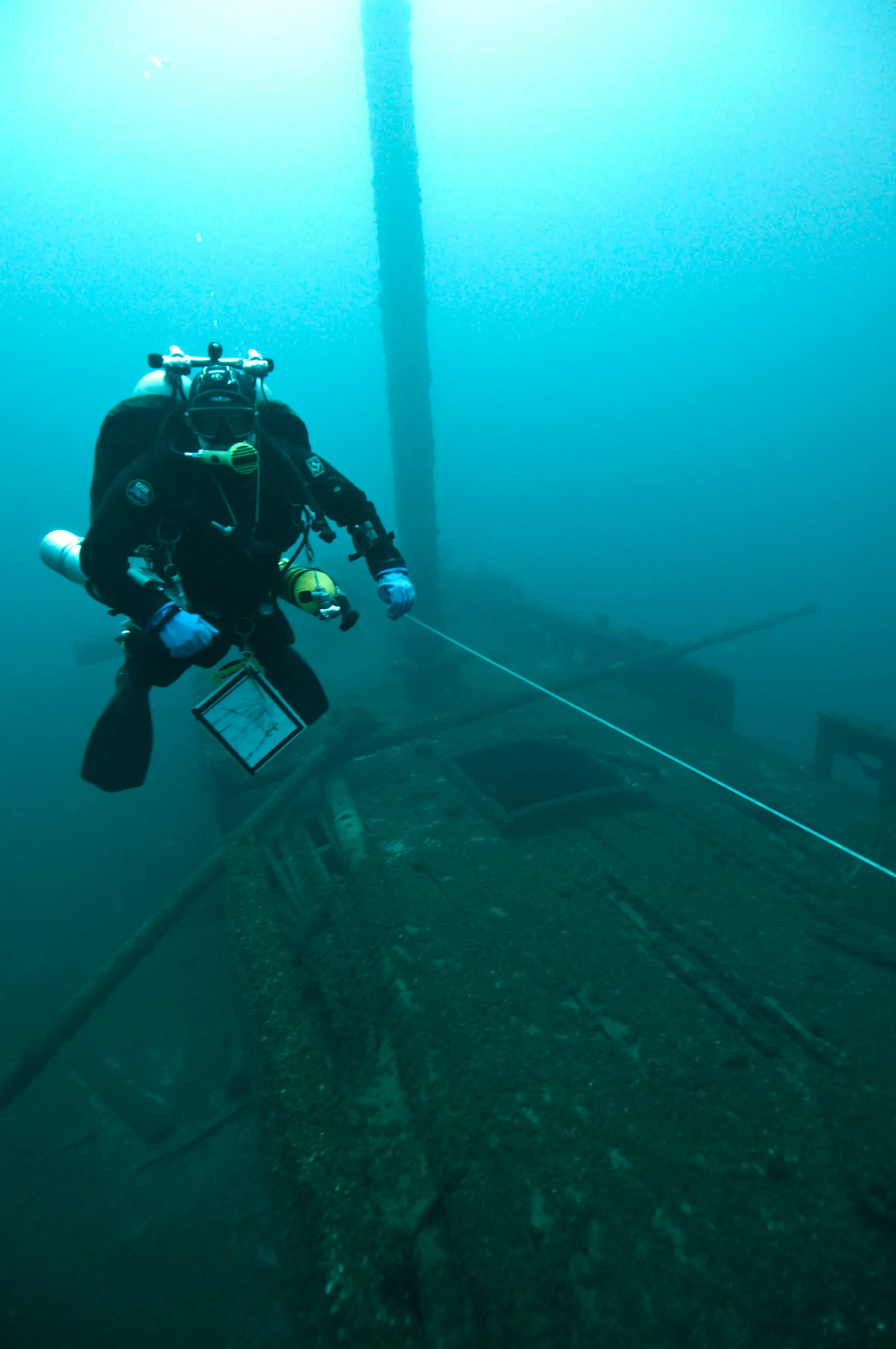
Completion should be supported by evidence that shows what was done, where it was done and what remains outstanding. Photographs, inspection observations and close-out records allow the client to update its maintenance history and plan follow-up work. HGSL brings this emphasis on coordination and documentation to subsea support, helping clients connect offshore intervention with longer-term asset reliability.
Questions answered
What does HGSL contribute to subsea maintenance?
Coordination of the work scope, support resources, inspection records, field logistics and project documentation, through qualified personnel and project-specific technical partnerships.
What information is needed to plan subsea maintenance?
Available inspection findings, drawings and operating information, which help define the maintenance boundary, identify interfaces and establish what specialist input is required.
What should a completed subsea maintenance job leave behind?
Evidence of what was done, where it was done and what remains outstanding: photographs, inspection observations and close-out records.